An epic Persian-Yorkshire Humanist fusion wedding in Leeds!
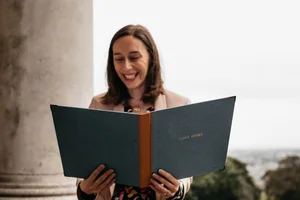
I was thrilled to be asked by Parisa and Callum to lead their Persian-Yorkshire mashup wedding ceremony, at The Mansion in Roundhay Park, Leeds. Humanist weddings can be a good option if you want to combine two cultures on your wedding day, and make space to include what matters to both of you.

The Mansion, Roundhay Park, Leeds
Bringing Farsi wedding traditions to Yorkshire
Londoner Parisa married Callum at The Mansion in Roundhay Park, a place special to him as it was so close to where he grew up in Leeds. I worked closely with them to get to know them, learn about their love story and create a wedding ceremony that reflected both their backgrounds. The result was a really exciting, personal wedding ceremony that fused together their two communities.

Drinks on the terrace after their Humanist wedding ceremony
What to expect at a Persian wedding ceremony
Persian wedding ceremonies come from the Zoroastrian tradition, but are used by people from different religious backgrounds, including secular Persians. Before the ceremony, incense sticks made from the herb rue were burnt outside the venue.
In an important part of the ceremony, I asked if Callum and Parisa consented to the marriage. Sticking with tradition, Callum answered immediately with ‘Bale - I do.’
Parisa, however, required more time to think, leaving the bridesmaid and I to make excuses - ‘The bride has gone to pick flowers… the bride needs a glass of water!’ This is a traditional joke during the wedding ceremony, and as I had explained it beforehand, nobody on Callum’s side got too upset!


All about Sofreh aghd ceremonies
Sofreh aghd is a Persian wedding tradition in which a beautiful array of symbolic foods, books and treasures are artfully arranged within the ceremony space. Each item has a symbolic meaning, expressing hope for the couple’s marriage.
Sofreh means ‘spread’ and aghd means ‘ceremony’.
Parisa and Callum’s Sofreh aghd objects included:
Bread - for sustenance and prosperity
Seven herbs and spices (Khoncheh) - for the spiciness of life and wealth
Nuts - for fertility
Gold coins - for prosperity
Sugar sticks - for sweetness
Pomegranates - for fruitfulness and abundance
Mirror + candles - bringing light and clarity, and the mirror allows them to see their love’s face
Threads - symbolising two families joining together
Book - people of faith choose a religious text, whereas secular Persians tend to choose poetry or something meaningful to them.
Sweet pastries - traditionally, these would be shared with the groom’s family.
Parisa’s mum had spent several hours putting together this beautiful sofreh aghd spread of foods and objects representing all the good things that we hope the couple will enjoy during their married life. Everything was beautifully decorated, with many objects painted gold. A great deal of care and attention went into making this spread.

Grinding the sugar cones
Toorh ghand ceremony
Traditionally at Persian weddings, sweetness is celebrated through symbolic actions. After the couple had exchanged their rings, they sat behind the aghd spread and received blessings, read by the bride’s sister and friends. They then fed each other honey, representing the sweetness of married life.
Sweetness is a favourite theme in Persian wedding ceremonies! The bridesmaids held a veil above the couple’s heads, and happily married guests took turns grinding two sugar cones over Parisa and Callum’s heads, passing on sweetness during marriage. This was a beautiful moment during the ceremony, as all the guests got up and came to the front, sharing their congratulations and good wishes with the couple. I - of course - got involved, giving the sugar a vigorous grind!
A more traditional take on a Toorh ghand ceremony is for only married women to participate in grinding sugar, but on this occasion, everybody got involved! All traditions deserve to be adapted for modern use!

A pre-wedding ceremony selfie with the Sofreh aghd in the ceremony space at The Mansion, Leeds.

Bridesmaids at Parisa + Callum’s Persian-inspired Humanist wedding ceremony
Music: Nothing But Love by James, Doktare Irooni by Andy and Wedding March (Persian version)
Humanist Wedding Readings: This is the First Day of My Life by Bright Eyes and Persian Wedding Blessings in Farsi and English.
“Rachael’s enthusiasm for us and our respective cultural traditions was so contagious, and we had lots of compliments on how clearly she spoke and how well our ceremony reflected us.”
I loved learning about Persian wedding traditions and creating a non-religious wedding ceremony that honoured the couple’s cultural heritage. If you’re a multi-faith couple and considering ways to incorporate your culture into a Humanist wedding ceremony, do get in touch!
Want more inspiration on creating a wedding ceremony that reflects your identity? I wrote a blog about that too.